

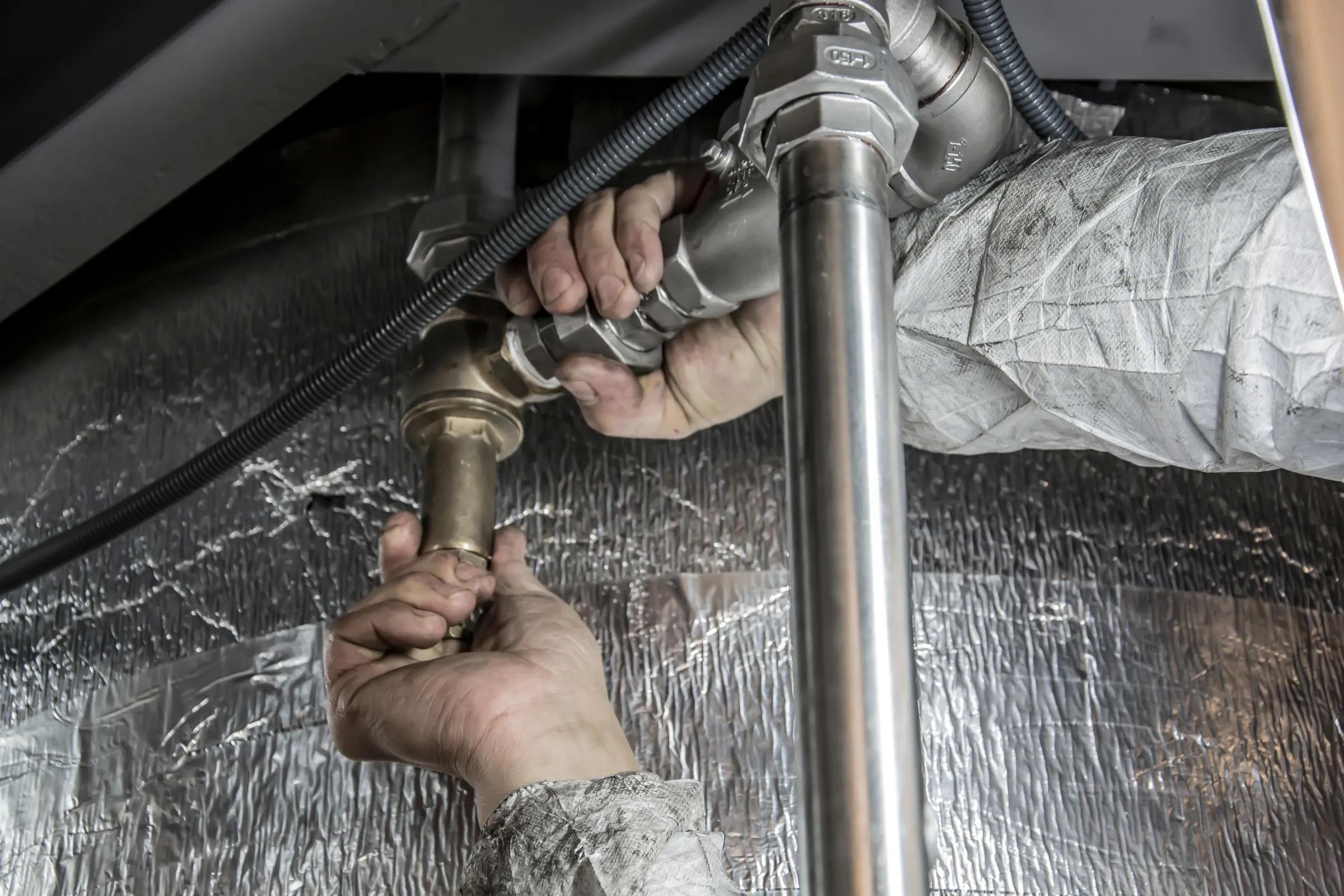
A slow leak under a sink, a water heater past its prime, flashing that has been loose for two winters: most expensive property problems send warnings long before they become emergencies. What usually goes missing is not the warning but the record of it. This guide explains how to run a maintenance inspection routine that produces proof as well as repairs, and where maintenance inspection software earns its place in that routine.
Why the Record Matters as Much as the Repair
Maintenance feels like a physical job, but when something goes wrong, it quickly becomes a paperwork one. An insurer, a tenant, a buyer, or an owner will ask the same questions: when did you last look at this, what did it look like, and what did you do about it?
The stakes are real. According to the Insurance Information Institute (Triple-I), water damage and freezing accounted for 22.6 percent of homeowners insurance losses in 2023, and the average claim across 2019 to 2023 was $15,400. Those figures describe insured homes, not every kind of property, but they show how much a single plumbing or freezing failure can cost.
There is also a documentation angle. Standard property policies generally exclude damage that develops gradually and treat poor upkeep differently from a sudden event, though the wording varies by policy and insurer. A dated record of regular inspections and completed repairs is not a guarantee of anything, but it makes it easier to show that a property was looked after. Read your own policy, and ask your insurer or adviser how it treats maintenance.
What a Maintenance Inspection Routine Looks Like
There is no single legal schedule for maintenance inspections, so the frequencies below are common practice, not requirements. Adjust them for the age of the building, the climate, and what your insurer or local rules ask for.
Every visit or quarter
Look under sinks and around toilets, washing machine hoses, and water heaters for drips, corrosion, or staining.
Check ceilings and walls for new stains or soft spots, which often point to a leak above or behind.
Test smoke and carbon monoxide alarms, and replace batteries as needed.
Replace HVAC filters on the schedule the equipment calls for.
Twice a year (before the heating and cooling seasons)
Have heating and cooling equipment serviced or at least checked.
Clear gutters and downspouts, and look for drainage that sends water toward the foundation.
Inspect the roof from the ground or with a qualified person, looking for lifted, cracked, or missing material and loose flashing.
Check windows, doors, and exterior seals for gaps and damage.
Once a year
Look over the exterior: cracks, rot, peeling paint, pests, and anything touching the structure that shouldn't be.
Check the condition of visible plumbing, electrical covers, and outlets, and call a licensed professional for anything that looks wrong. Don't open panels or work on live systems yourself.
Review the age of major systems such as the water heater, roof, and HVAC, so replacements get planned instead of discovered.
None of this replaces a professional inspection when one is warranted. The routine's job is to notice change early and send the right person at the right time. A useful rule of thumb is to treat anything that has changed since the last visit as worth a second look: a stain that has grown, a smell that wasn't there, a sound from the heating system. Small changes are cheap to investigate, and the record of having investigated them is part of the value.
What to Capture Every Time
An inspection without a record is just a walk. A useful record answers the same few questions, every time:
Where was it? Name the property, unit or area, and the specific item.
When was it? A date on every photo matters more than people expect.
What did it look like? One wide photo to place it, one close photo to show the detail.
How serious was it? A simple rating beats a long description.
What happens next? Who is responsible, and by when?
Consistency is the point. If every inspection uses the same checklist, findings can be compared from one visit to the next, and a slow change, like a stain spreading a little each quarter, becomes visible.
Close the Loop: Finding, Work Order, Repair, Proof
Most maintenance programs don't fail at spotting problems. They fail in the gap between spotting and fixing. A note on a clipboard or a photo on a phone doesn't assign anything to anyone.
A reliable loop has four steps:
Finding: record it with a photo and a rating while you're standing in front of it.
Work order: turn it into a task with an owner, a priority, and a due date.
Repair: the person who does the work records what was done, and ideally when they arrived and left.
Proof: an after photo gets attached to the original finding, so the issue and its fix sit together.
That last step is the one most often skipped, and the one that matters when someone later asks what was done about it.
Where Software Fits In
You can run this loop with a spreadsheet, a shared folder, and discipline, and plenty of owners do. The trouble is scale and consistency. Once a portfolio has several properties or several people doing the walkthroughs, the photos scatter, the checklists drift, and the follow-up depends on someone remembering.
That's the gap inspection tools aim at. SnapInspect, for example, lets teams run inspections from checklists and templates on a phone, capture photos and video on site, turn findings into work orders, track jobs through completion, and produce reports. Its property maintenance product also includes AI-assisted work order creation from a photo, and optional geofencing so technician arrival and departure times are logged against the right property. Whether any of that fits your operation depends on your size and how you work.
What software does not do is fix a leak or guarantee a particular insurance outcome. It makes the routine easier to keep and leaves a dated trail behind it. If you'd like to see how that looks across a portfolio, SnapInspect offers a demo on its website.
A Simple Way to Start
If you have no routine today, don't build the perfect program. Start with something you can keep up:
Pick one property and write a one-page checklist covering the quarterly items above.
Walk it with your phone, taking a wide and a close photo of each finding, with the date visible.
Turn every finding into a task with a person and a due date.
Photograph each repair when it's done and file it next to the finding.
Repeat next quarter, compare, and only then expand to the next property.
Within a year, you'll have a record that shows what your property looked like, what you found, and what you did, which is worth more than the memory of any single walkthrough.