

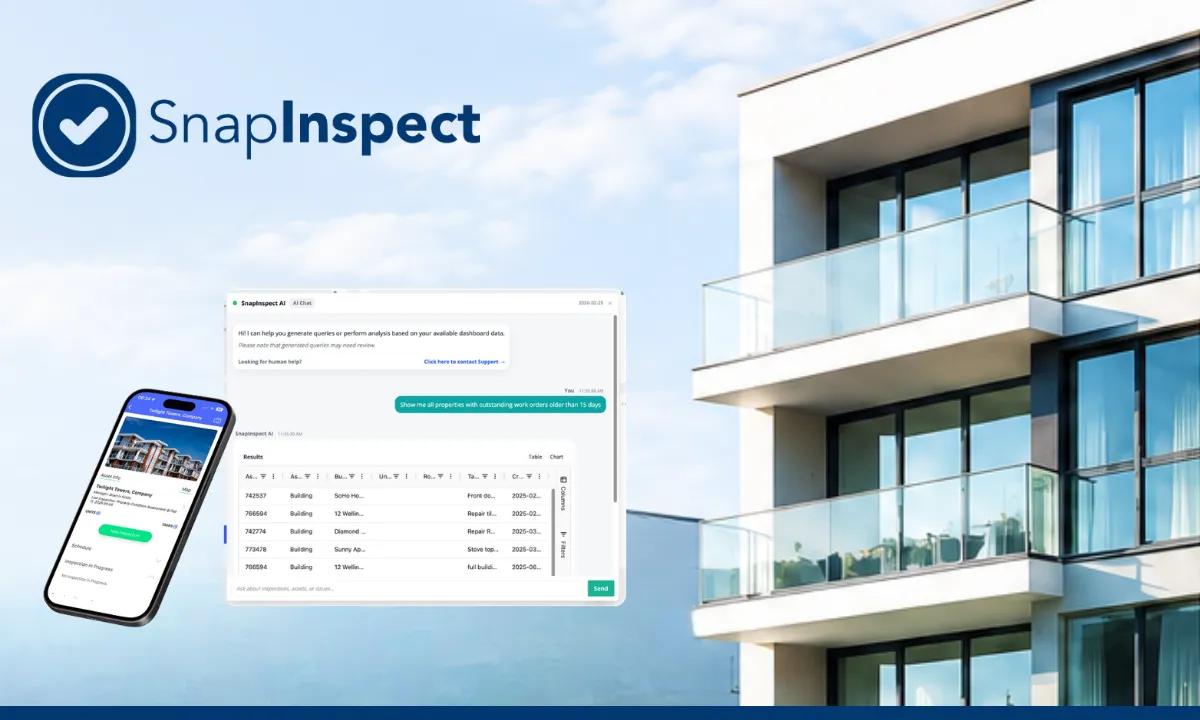
Commercial Buildings Are Hiding Your Biggest Costs
Operating costs are rising. Rents are holding. And NOI is quietly shrinking. Here's where the money is going — and how commercial property teams are cutting expenses 15–20% without sacrificing asset quality.

The problem isn't that commercial property teams aren't working hard enough. It's that most are operating without a clear picture of what's happening across their assets. Maintenance histories are incomplete. Inspection records are scattered. And by the time a cost problem surfaces in the financials, it's already months old. The teams closing that gap are doing it with better inspection systems — not bigger headcounts.
The Problem: Expense Creep
Expense creep doesn't arrive as one big bill. It builds slowly.
It's the vendor invoice nobody questioned. The maintenance call came six weeks too late. The inspection that was never logged. Each one is small. Together, they quietly drain your NOI, and by the time you notice, the damage is already done.
The fix isn't complicated. It's visibility. Knowing what's happening across your assets before it gets expensive.
Where the Money Goes
Deferred maintenance. Ignore a minor HVAC fault for 60 days, and a $400 repair becomes a $12,000 replacement. Deferred maintenance costs commercial owners 10–30% more over five years than staying on top of it.
Unchallenged vendor invoices. Without documented site condition data, inflated invoices are nearly impossible to dispute. Overcharging on routine service calls is common — and easy to miss.
Reactive repairs. Fixing things after they break costs 3–5x more than planned preventive maintenance. Most teams know this. Most still operate reactively because they don't have the right systems in place.
No portfolio visibility. When inspection notes live in inboxes and spreadsheets, leadership can't identify problem assets, benchmark costs, or make smart capex decisions. You're guessing with large sums of money.
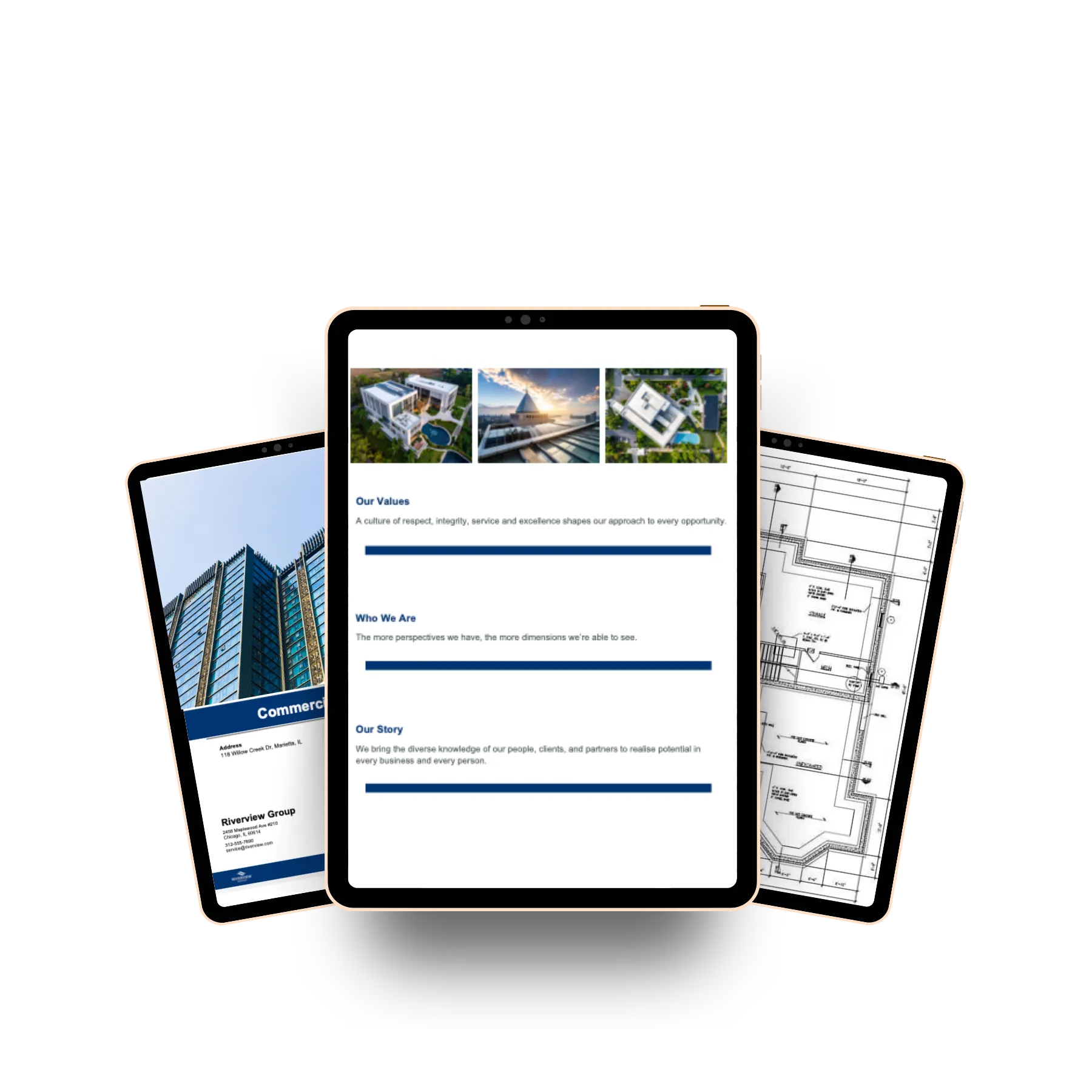
These 4 problems compound each other. A missed inspection leads to a deferred repair. A deferred repair leads to an emergency call-out. An emergency call-out leads to an invoice you can't challenge because you have no baseline record of the asset's condition. It's a cycle that's expensive to break — but only if you don't have the right tools to stop it early.
How Top Teams Are Fixing It
Scheduled inspections on a fixed cadence. Commercial property inspection software standardizes what gets checked at every site, every time. Each inspection produces a structured report with photos, timestamps, and issue severity ratings. Problems get caught at $500 — not $15,000.
Inspections connected to maintenance. When a faulty unit gets flagged, a work order is created automatically. It gets assigned, tracked, and closed — with a full audit trail. No more gaps between "we found it" and "we fixed it." This matters more than most teams realize. Research shows the average commercial property loses 20–30 hours of management time per month just following up on maintenance issues that weren't properly tracked. Automating that handoff doesn't just save money — it frees your team to focus on higher-value work.
Documentation that holds vendors accountable. Timestamped, photo-documented inspections give you a clear record of asset condition before any vendor touches it. That makes inflated invoices easy to challenge — and harder to submit in the first place.
Portfolio-wide reporting. Asset managers can see open issues, high-risk assets, and capex priorities across the entire portfolio in one view. No chasing property managers. No spreadsheet consolidation. Just clean data that drives better decisions.
The Math
A 10-property portfolio with $400,000 in operating costs per asset = $4M annually.
Cut that by 15% = $600,000 saved per year.
At a 6% cap rate, that's $10 million added in asset value.
The cost of commercial property inspection software to get there? A fraction of that number.
Across asset classes — office, industrial, retail, and multifamily — the teams with the lowest operating cost ratios share one thing in common. They inspect consistently, they document everything, and they use that data to make decisions at the portfolio level. It's not about having more staff or bigger budgets. It's about having a system that captures what's happening on the ground and turns it into something leadership can actually act on. That's the difference between managing costs reactively and controlling them strategically.
Bottom Line
Expense creep is quiet. It builds one missed inspection, one late repair, one unchallenged invoice at a time.
The teams winning on NOI aren't spending less across the board. They're spending smarter. They have visibility. They act early. They document everything.
Commercial property inspection software is what makes that possible — at scale, across every asset in your portfolio.
SnapInspect helps commercial property teams run consistent inspections, automate maintenance workflows, and get full portfolio visibility in one platform.